The Crushing and Sand-Making Equipment Industry: A Comprehensive Overview
The global demand for high-quality aggregates continues to rise, driven by infrastructure development, urbanization, and construction projects. Crushing and sand-making equipment plays a pivotal role in producing sand and gravel for concrete, asphalt, and other applications. This article delves into the core aspects of the industry, equipment innovations, and practical considerations.
The sand and gravel industry is integral to modern construction, with natural sand resources dwindling due to environmental regulations. Manufactured sand (M-Sand), produced by crushing rocks, has emerged as a sustainable alternative. Key sectors relying on this equipment include mining, quarrying, and recycling.
1. Jaw Crushers – Ideal for primary crushing, these machines handle large rocks with high efficiency.
2. Impact Crushers – Used for secondary crushing, producing cubical-shaped aggregates.
3. Vertical Shaft Impact (VSI) Crushers – The backbone of sand-making, producing finely graded M-Sand with adjustable particle sizes.
4. Cone Crushers – Suitable for hard and abrasive materials, offering high reduction ratios.
5. Mobile Crushers – Increasingly popular due to their flexibility and on-site processing capabilities.
Q1: What is the advantage of M-Sand over natural sand?
A: M-Sand has consistent gradation, no impurities, and better workability in concrete mixes.
Q2: How to reduce dust in crushing plants?
A: Use dust suppression systems, enclosed conveyors, and regular water spraying.
Q3: What maintenance is required for VSI crushers?
A: Regular rotor inspections, lubrication, and wear parts replacement ensure longevity.
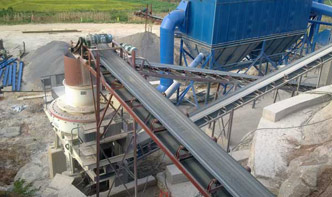
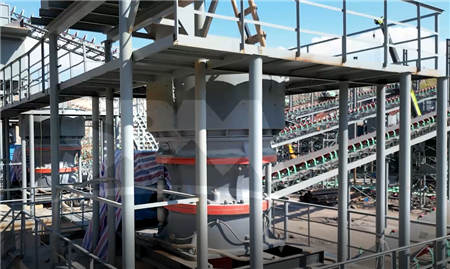
A quarry in India replaced its traditional jaw-impact setup with a VSI crusher, increasing sand production by 30% while reducing energy consumption. The new system improved particle shape, meeting strict concrete standards.
In conclusion, the crushing and sand-making industry continues to evolve, driven by technological advancements and sustainability demands. Selecting the right equipment and optimizing operations ensure cost-effective, high-quality aggregate production.

