The Role and Applications of Rotary Coal Crushers in the Aggregate Industry
The aggregate and construction materials industry relies heavily on efficient crushing equipment to process raw materials like coal, limestone, and granite into usable sizes for infrastructure projects. Among these machines, the rotary coal crusher stands out for its versatility in handling high-moisture and abrasive materials, making it a preferred choice for coal preparation plants and mineral processing operations.
With rising demand for coal in energy production and industrial applications, optimizing coal crushing processes is critical. Rotary crushers, unlike traditional jaw or impact crushers, employ a rotating drum with hardened teeth to break down large coal chunks into uniform particles. This design minimizes fines generation, improves throughput, and reduces wear—key factors in reducing operational costs.
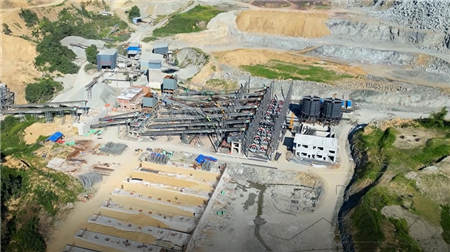
1. High Capacity & Efficiency: Ideal for primary or secondary crushing, rotary crushers process large volumes (up to 2,000 TPH) with lower power consumption compared to conventional crushers.
2. Wet Material Handling: Unlike hammer mills, rotary crushers can process coal with high moisture content without clogging.
3. Low Maintenance: Robust construction with replaceable wear parts extends service life, reducing downtime.
The price of a rotary coal crusher varies based on:
Q1: Can rotary crushers handle other materials besides coal?
Yes—they are effective for lignite, gypsum, and softer ores, but hard rocks may require specialized configurations.
Q2: How does maintenance compare to impact crushers?
Rotary crushers have fewer moving parts, leading to 20–30% lower maintenance costs over time.
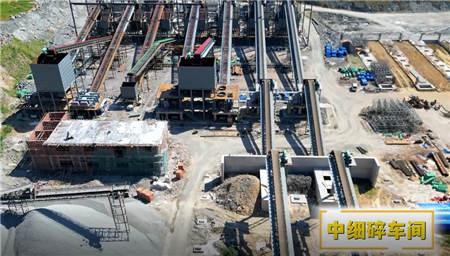
A coal-fired power plant in Indonesia replaced its hammer crushers with rotary units, achieving:
Rotary coal crushers offer a balanced solution for aggregate producers prioritizing efficiency and cost-effectiveness. As industries shift toward sustainable practices, these machines will remain pivotal in optimizing raw material processing. For buyers, evaluating total cost of ownership—not just upfront price—is essential for long-term ROI.
(Note: Always consult manufacturers for site-specific recommendations.)

