The Role of Conical Mills in Limestone Processing: A Focus on Italy’s Aggregate Industry
Italy’s construction and infrastructure sectors rely heavily on high-quality limestone aggregates, driving demand for efficient crushing and grinding equipment. Among the key technologies, conical mills (or cone crushers) stand out for their ability to process abrasive materials like limestone with precision and durability.
Limestone is a fundamental raw material for cement, concrete, and road base layers. Italy’s rich limestone deposits, particularly in regions like Veneto and Lombardy, necessitate advanced milling solutions to meet strict particle size specifications. Conical mills excel in secondary and tertiary crushing stages, producing uniformly shaped aggregates while minimizing overgrinding—a critical factor for optimizing production costs.
1. Precision Crushing: The eccentric design of conical mills ensures consistent particle size reduction, ideal for limestone’s variable hardness.
2. Low Operational Costs: Advanced hydraulic systems reduce downtime during maintenance, a key advantage for Italian quarries facing labor cost pressures.
3. Versatility: Adjustable crushing chambers allow operators to switch between fine grinding and coarse aggregate production seamlessly.
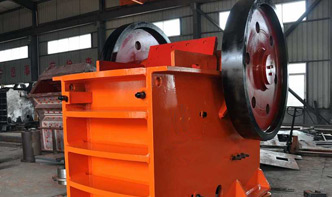
Q: How does a conical mill compare to jaw crushers for limestone?
A: While jaw crushers handle primary crushing, conical mills offer finer control in secondary/tertiary stages, reducing recirculation loads.
Q: What wear parts require frequent replacement?
A: Mantle liners and bowl bearings are subject to abrasion; using manganese steel alloys extends service life in limestone applications.
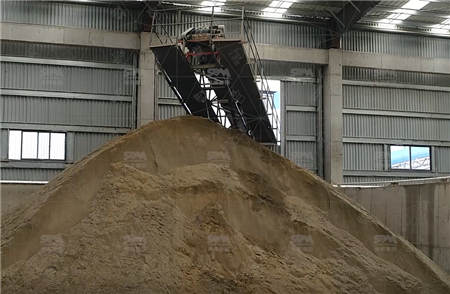
A quarry in Tuscany upgraded to a modern conical mill system, achieving a 20% increase in yield while reducing energy consumption by 15%. The solution included automated settings to adapt to varying limestone hardness, showcasing the technology’s adaptability.
For Italy’s aggregate producers, conical mills represent a balance of efficiency and reliability in limestone processing. As sustainability regulations tighten, investing in adaptable crushing technology will remain pivotal for maintaining competitiveness in Europe’s construction markets.